Hidden household items that raise Harpenden rubbish removal bills
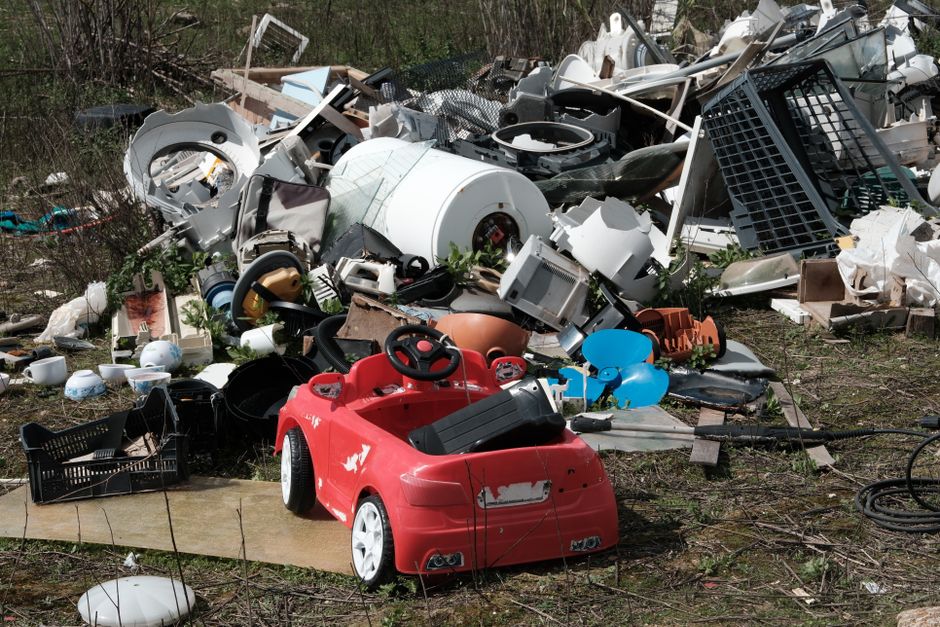
If you have ever looked at a rubbish removal quote and thought, "Hang on, why is it higher than I expected?", you are not alone. The usual culprit is not the obvious stuff like a broken sofa or a stack of black bags. It is the hidden household items that raise Harpenden rubbish removal bills: the awkward extras tucked in cupboards, lofts, sheds, garages, and under beds that quietly change the job from a simple uplift to something bigger, heavier, or more complicated.
In Harpenden, where homes often have packed lofts, tidy-looking garages, and years of "we'll deal with that later" storage, these hidden items can make a real difference to the final price. This guide breaks down what those items are, why they affect costs, how to spot them early, and what you can do to keep the bill under control without turning your whole weekend into a sorting marathon.
You will also find practical examples, a simple step-by-step approach, and a checklist you can use before booking. Let's face it, nobody wants a surprise fee for something they forgot was even there.
- Why hidden household items matter
- How rubbish removal pricing changes
- Key benefits of sorting hidden items early
- Who this is for
- Step-by-step guidance
- Expert tips
- Common mistakes to avoid
- Tools, resources and recommendations
- Law, compliance and best practice
- Options and comparison
- Real-world example
- Practical checklist
- Conclusion
- Frequently asked questions
Why Hidden household items that raise Harpenden rubbish removal bills Matters
The short version? Hidden items change the size, weight, risk, and time involved in a clearance. And those are the four things that most rubbish removal teams have to factor into pricing. A quote based on a quick look at a dining table and a few bags can shift once the job reveals old paint tins, a mattress, broken shelving, or a box of mixed small electricals. Not because anyone is being awkward, but because disposal rules and handling time really do change.
For Harpenden households, this matters because many clearances start with a clean-looking room and end with a much bigger haul. A loft hatch opens. A garage gets cleared enough to reveal another row of stored items. A wardrobe comes out and suddenly there are two boxes of books, a dehumidifier, and three old heaters hiding behind it. It happens all the time.
There is also a budget angle. If you know which hidden items tend to push costs up, you can separate them earlier, move reusable goods into a different pile, and avoid paying a premium for last-minute discoveries. That small bit of prep can be the difference between a straightforward uplift and a slightly grim "oh dear, that's more than we planned for" moment.
Practical takeaway: the more complete your inventory, the more accurate your quote. Hidden items rarely stay hidden for long once loading starts.
How Hidden household items that raise Harpenden rubbish removal bills Works
Most rubbish removal pricing is based on a blend of volume, labour, access, and disposal complexity. That is the simple version. In reality, one small item can matter far more than it looks because it changes how the load must be sorted or handled.
Think of it in layers:
- Volume: Hidden items take up space, especially if they are boxed, bundled, or stacked awkwardly.
- Weight: Books, tiles, old tools, and some appliances are much heavier than they appear.
- Sorting time: Mixed waste needs separating, and that slows everything down.
- Special handling: Some items need separate disposal routes, careful transport, or extra paperwork.
- Access: A box in a loft or behind a shed wall may be harder to reach than a pile by the front door.
Hidden items often cause the biggest pricing surprises when they are mixed into a general household clearance. A quote for "a bit of furniture and a few bags" is not the same as a job containing old paint, electrical items, garden chemicals, broken mirrors, and damp cardboard from a cupboard you forgot about. One is a standard clearance. The other starts to look like a puzzle.
To be fair, that is not unusual. People do not always know what they have until they start moving things. A house can look fairly neat at first glance and still contain years of stored clutter in the places nobody opens every week.
Some of the most common hidden cost triggers include:
- Electricals: kettles, microwaves, monitors, printers, and tangled cables
- White goods: fridges, freezers, washing machines, tumble dryers
- Old tools and hardware: heavy and often mixed with sharp or hazardous bits
- Paint, solvents, and cleaning chemicals: not ordinary rubbish
- Mattresses and bed bases: bulky, awkward, and space hungry
- Books, magazines, and paper archives: deceptively heavy
- Broken glass, mirrors, and ceramics: extra care needed
- DIY leftovers: tiles, plasterboard, sealants, timber offcuts
In other words, hidden does not mean harmless. It often means overlooked.
Key Benefits and Practical Advantages
Spotting hidden household items before booking a clearance is not just about saving money, although that is a nice bonus. It also makes the whole process calmer, faster, and less stressful on the day.
Here are the practical advantages:
- More accurate pricing: You are less likely to be hit with an awkward adjustment after the van is already loaded.
- Faster removal: Staff can plan the right vehicle, labour, and order of work.
- Less disruption: The team spends less time sorting through unknown piles in your hallway or garage.
- Better reuse and recycling: If you separate usable items early, more can be diverted from disposal.
- Lower stress: There is something oddly reassuring about knowing exactly what is leaving the property.
There is a second benefit people sometimes overlook. When hidden items are identified in advance, you can decide whether some of them should be sold, donated, recycled, or disposed of separately. A box of old but working kitchen equipment, for instance, may be better handled differently from a pile of mixed broken items. It sounds obvious, but in the middle of a clearance, obvious things have a funny way of disappearing from view.
Useful insight: the best savings often come not from haggling, but from better sorting. That is especially true in busy homes where lofts, sheds, and cupboards have quietly collected years of extras.
Who This Is For and When It Makes Sense
This topic matters for anyone arranging a house clearance, furniture disposal, loft clearance, garage clearance, or general waste removal in Harpenden. But it is especially useful if you are in one of these situations:
- You are clearing a relative's home and discovering more items than expected.
- You are moving house and want the property empty without paying more than needed.
- You have a loft, garage, or shed that has become a storage museum.
- You are a landlord between tenancies and need the place emptied quickly.
- You are renovating and hidden DIY waste keeps appearing behind cupboards or under flooring.
- You run a small home business and have old stock, packaging, or equipment mixed with household clutter.
It also makes sense if you want to compare options before booking. Some people only need a few bulky items removed. Others need a much broader house clearance or a more targeted service like loft clearance. The point is not to overbuy a service you do not need. It is to understand the difference between what looks small and what actually is small once the cupboards are opened.
A quick story from the real world: someone may call about a single sofa and a washing machine, then discover three old monitors, a broken exercise bike, and a box of paint tins behind the back door. Suddenly the job is no longer just about furniture. It happens more often than people think, especially in homes where one corner is "for later".
Step-by-Step Guidance
If you want to avoid hidden items increasing your Harpenden rubbish removal bill, a simple, methodical approach works best. Nothing fancy. Just a decent sweep through the property, room by room.
- Start with the obvious spaces. Walk through the house and list the visible items first. Furniture, bags, appliances, and anything already piled in one place.
- Check the hiding places. Open cupboards, look above wardrobes, behind doors, under beds, inside garden storage, and in the back corner of the garage. This is where the sneaky stuff lives.
- Separate by type. Keep general waste apart from electricals, heavy materials, reusable items, and anything that might need special handling.
- Pull out anything you are unsure about. If you find paint, gas canisters, chemicals, batteries, or sharp objects, isolate them. Do not mix them into normal rubbish.
- Take photos. A few clear pictures help when requesting a quote. Include the awkward bits, not just the neat pile in the middle of the room.
- Estimate access honestly. Stairs, narrow hallways, loft ladders, basement steps, and long carries matter. A van may not be able to park right by the door, and that affects labour time.
- Decide what can be reused. If something is saleable or donatable, remove it before the clearance. That can reduce both waste and cost.
- Confirm the service type. Make sure the provider knows whether you need house clearance, furniture disposal, garden waste removal, or something more mixed and labour-heavy.
- Get the quote based on the real load. The final price should reflect the actual pile, not the tidy version you first remembered.
If you are dealing with multiple rooms, it often helps to sort one room at a time. The loft first, then the garage, then bedrooms and under-stairs storage. One room done properly beats six rooms half done. Every time.
Expert Tips for Better Results
In our experience, the cheapest clearance is rarely the one with the lowest headline quote. It is the one with the least guesswork.
Here are the habits that tend to keep bills down:
- Be honest about the messy bits. A single hidden pile can change the job more than a tidy lounge full of visible items.
- Group heavy items together. If you know you have books, tools, or tiles, keep them separate so they are easier to assess.
- Do not bury electrical items in mixed bags. That can make sorting harder and may cause extra handling.
- Remove valuables first. It sounds obvious, but keys, documents, small tools, keepsakes, and cash are often found in the most unlikely places. People do forget. It is human.
- Ask about restricted waste early. Paints, oils, chemicals, and certain household products can change the disposal route.
- Check the loft before the quote. Loft spaces are classic "we forgot about that" zones, especially in older Harpenden homes with deep storage.
- Keep reusable furniture separate. If a chair or table can be passed on, say so before the team starts loading.
A small, slightly nerdy tip: if you are clearing a garage or shed, look behind the front row of items. People often stack the visible stuff neatly and forget the two layers behind it. That second layer is where the price creep hides. Sneaky little thing.
One more thing. If a quote seems unusually low, ask what it includes and what would count as an extra. A good provider should be clear about that without making you feel as if you are interrogating them in a police station.
Common Mistakes to Avoid
Most bill shocks happen because of a few very common mistakes. None of them are dramatic. They are just easy to make when you are busy.
- Only showing the visible pile: The hidden items are often the expensive part.
- Assuming everything is "just rubbish": Some items need separate disposal or handling.
- Leaving sorting until the team arrives: That creates pressure and slows the job down.
- Forgetting sheds, lofts, and under-stairs cupboards: These are the classic culprits.
- Mixing heavy waste with light waste: It makes pricing less predictable.
- Not mentioning awkward access: Long carries, stairs, and parking limits can affect labour time.
- Throwing unknown items into the main pile: Better to pause and check than to make disposal more complicated later.
A subtle one, and it catches people out: assuming that a neat-looking box is harmless. Some of the heaviest loads come from boxes of books, old files, or tools. They look small. They are not. A single box can feel like it contains bricks.
Another thing worth saying gently: if you are clearing after a bereavement or a long tenancy, do not rush yourself too much. People often find papers, photos, or small keepsakes in drawers and bags that were never meant to be chucked out in a hurry. Slow down where it matters.
Tools, Resources and Recommendations
You do not need specialist equipment to spot hidden items that could increase rubbish removal costs, but a few simple tools make the job easier:
- Phone camera: use it to photograph piles, cupboards, and loft corners for a quote.
- Labels or sticky notes: helpful for separating keep, sell, donate, and dispose.
- Gloves: useful for dusty lofts, sheds, and garages.
- Strong bags or boxes: keep small mixed items under control.
- Torches: ideal for under beds, behind appliances, and into dark storage spaces.
When choosing a clearance service, look for clear pricing, straightforward communication, and evidence that waste is handled responsibly. The website pages on pricing and quotes, recycling and sustainability, and insurance and safety are useful places to understand what a professional approach should look like before you book.
If the job involves bulky furniture, it also helps to look at furniture clearance and furniture disposal so you can match the service to the actual contents. For garden clutter, the same idea applies to garden clearance; for workshops, sheds, or DIY leftovers, builders waste clearance may be more appropriate.
If you are unsure what category your hidden items fall into, ask early. A short conversation now can save a surprisingly long argument later.
Law, Compliance, Standards, or Best Practice
Rubbish removal is not just a "load it and go" activity. In the UK, waste has to be handled responsibly, and some items cannot simply be mixed in with ordinary household rubbish. That includes many electrical items, batteries, certain liquids, and substances that may be classed as hazardous or restricted.
For homeowners, the best practice is simple: separate anything you are unsure about, keep it out of general bags, and disclose it to the clearance provider before collection. For providers, the sensible expectation is that they should understand safe handling, transport, and disposal routes for the waste they collect.
Why does this matter to your bill? Because hidden items that need extra sorting or special disposal can raise the cost legitimately. It is not just about volume. It is about how the waste must be processed once it leaves your property. A pile that includes old electronics, paint tins, and broken furniture is not the same as a pile of cardboard and soft furnishings.
Best practice in a domestic setting usually includes:
- keeping hazardous or uncertain items separate
- being accurate about what is in the load
- allowing enough time for proper sorting
- using a provider that explains the process clearly
- making sure any waste is removed in line with responsible disposal standards
If you want a fuller sense of the company's approach to trust, safety, and service handling, the pages on health and safety policy and about us can help you judge whether the service feels organised and transparent. The broader point is simple: good compliance tends to reduce problems, not create them.
Options, Methods, or Comparison Table
Different clearance choices suit different situations. If your hidden items are minimal, one approach may be enough. If the property contains a mix of furniture, loft clutter, and garden waste, a broader service usually makes more sense.
| Option | Best for | What can increase cost | Practical note |
|---|---|---|---|
| General waste removal | Mixed household rubbish and small clutter | Hidden heavy items, awkward access, sorting time | Good if the load is fairly straightforward |
| House clearance | Whole rooms, partial properties, estate clearances | More items than first expected, multi-room sorting | Best when the job is bigger than a single room |
| Furniture clearance | Sofas, wardrobes, tables, bed frames | Mattresses, dismantling, narrow stairs | Useful where bulky items dominate the load |
| Loft clearance | Stored boxes, old seasonal items, archive clutter | Dust, limited access, heavy mixed boxes | Often reveals forgotten items that change the quote |
| Garage clearance | Tools, storage, DIY bits, old household extras | Heavy boxes, chemicals, restricted waste | Common place for hidden cost surprises |
There is no single "best" method. There is only the best fit for what is actually in the property. And that fit matters more than people think. A quick example: if you book furniture clearance but the garage also contains old paint and garden chemicals, you may need a wider service or separate handling plan. That is not a problem, just something to know before the van turns up.
Case Study or Real-World Example
Imagine a semi-detached home in Harpenden with a spare room, a loft, and a garage. The initial request is simple enough: remove a three-piece suite, a broken desk, and a handful of black bags. Sounds tidy. Fairly ordinary.
On the day, the family also remembers the loft boxes, the old printer in the cupboard, a defunct dehumidifier, two electric heaters, a stack of books under the stairs, and a box of DIY offcuts in the garage. None of this was meant to be sneaky. It was just out of sight.
What happens next is predictable: the job becomes more complex, the weight increases, and the sorting time grows. Some items may be fine for normal disposal, while others need separate handling. If the hidden pieces had been mentioned earlier, the quote would have been better matched to the real workload, and nobody would have had to do that awkward "well, we did find a bit more" conversation.
The lesson is not "never store things". The lesson is "know what is stored where". That alone can save money and a fair bit of stress.
Another real-world pattern crops up with older homes. People clear a wardrobe and find old suitcases inside the cupboard, then discover boxes behind the suitcases, then realise the loft ladder leads to a whole second wave of storage. House clearances have layers. Sometimes too many layers, to be honest.
Practical Checklist
Use this before you request a quote or book a collection.
- Walk through every room, including loft, garage, shed, and under-stairs storage.
- Open cupboards and check behind furniture.
- Separate furniture, electrical items, heavy waste, and general rubbish.
- Look for paint, chemicals, batteries, and anything sharp or unusual.
- Count boxes, not just big items.
- Take a few photos of the full load and the hidden corners.
- Check access: stairs, narrow doors, parking, and long carry distances.
- Set aside reusable items before the clearance day.
- Ask for a quote that reflects the actual contents, not just the visible pile.
- Confirm whether special items need separate handling.
If you can tick most of those boxes, you are already ahead of the game. No drama, no guesswork, just a cleaner handover.
Get a free quote today and see how much you can save.
Conclusion
Hidden household items that raise Harpenden rubbish removal bills are usually not dramatic or obvious. They are the old boxes in the loft, the half-forgotten electricals in the cupboard, the heavy books in the garage, the paint tins behind the mower, and the small piles that seem harmless until they all turn up at once. That is where the cost creep lives.
If you sort early, photograph clearly, and be honest about what is tucked away, you are much more likely to get a fair quote and a smoother clearance. Simple as that. The job becomes easier for everyone, and you keep a better grip on the budget. Which, let's be honest, is the whole point.
And if the house still feels like it has one more hidden corner left to surprise you, that is very normal. Clear it room by room, take your time, and you will get there.
Frequently Asked Questions
What hidden household items most often increase rubbish removal costs?
The most common culprits are heavy boxes of books, old electrical items, mattresses, paint tins, DIY leftovers, and awkward items stored in lofts, garages, or sheds. They add weight, sorting time, or special handling.
Why do hidden items matter if the van still has space?
Space is only one part of the job. Hidden items can add weight, change disposal needs, and slow loading because they must be sorted or handled separately. A van may look half empty and still be close to a costly threshold in practice.
Can I reduce my rubbish removal bill by sorting hidden items first?
Yes. Sorting hidden items early often helps because it gives a clearer picture of the load, reduces guesswork, and may let you separate reusable or low-cost items from mixed waste. That usually leads to a more accurate quote.
Do old books and papers really make a difference?
They do. Books, files, and paper bundles are deceptively heavy. A few boxes can add far more weight than people expect, especially in lofts or cupboards where they have been stored for years.
Are electrical items always more expensive to remove?
Not always, but they can be if they need separate handling or special disposal. Small electronics are often manageable, while larger appliances or mixed electrical loads can increase complexity.
Should I mention paint, batteries, or chemicals before collection?
Yes, absolutely. These items may need different handling from general household rubbish. Mentioning them early helps the provider plan properly and avoids last-minute surprises.
Is a loft clearance more likely to uncover hidden cost items?
Very often, yes. Lofts tend to contain boxes, seasonal items, old furniture, archives, and forgotten extras. They are one of the most common places for pricing surprises.
What if I only discover extra items on the day?
Tell the team straight away. A good provider can usually explain whether the job can still be completed, whether the quote changes, or whether a separate collection would be better. It is better to be open than to let the load be guessed at.
How do I know whether I need house clearance or furniture disposal?
If the job is mostly sofas, beds, tables, or wardrobes, furniture disposal may be enough. If the property also contains hidden clutter, mixed waste, or multiple rooms of items, house clearance is usually the better fit.
Can hidden items affect access or labour charges as well as disposal cost?
Yes. If extra items are tucked away in awkward places, the team may need more time to reach, carry, or sort them. So the impact is not just about waste volume. Labour can shift too.
What is the best way to prepare for a quote?
Walk the property, check storage spaces, take photos, and list anything you suspect might need special handling. The better the information, the more realistic the quote will be. It really does make life easier.
Is it worth separating reusable items before booking?
Usually, yes. Reusable items can sometimes be donated, sold, or moved separately, which reduces what needs to be cleared and can help lower the final cost. It also feels a bit better, to be fair, than sending everything off in one go.