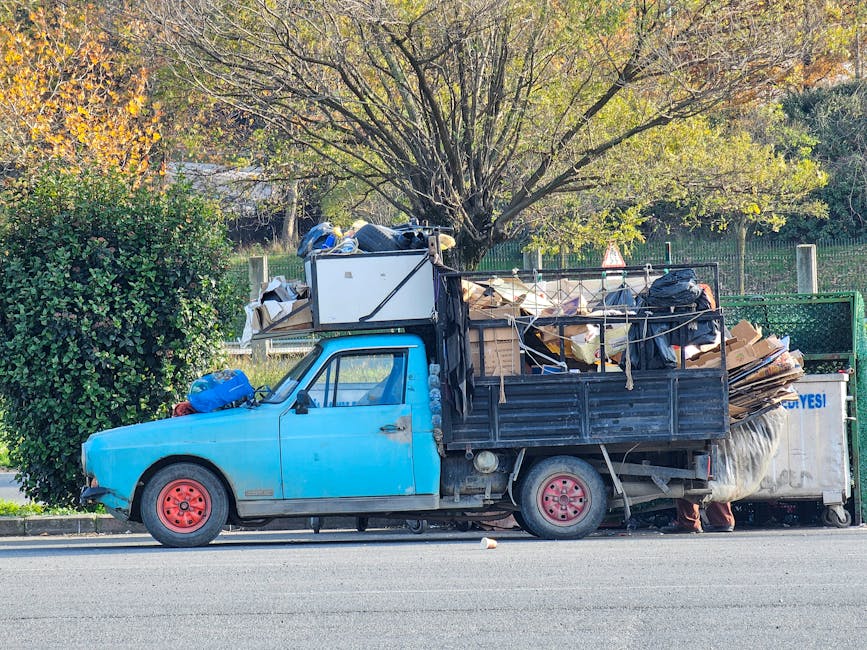
Avoid hidden costs with Harpenden rubbish removal quotes
Rubbish removal sounds simple until the quote lands, the van arrives, and suddenly the price is higher than expected. If you have ever looked at a cheap estimate and thought, "That seems fine," only to worry about add-ons later, you are not alone. Avoid hidden costs with Harpenden rubbish removal quotes is really about one thing: making sure the number you agree to is the number you actually pay.
That matters whether you are clearing a garage in Harpenden, dealing with builders' waste after a small renovation, or just trying to get rid of a pile that has quietly grown behind the shed. A clear quote saves money, yes, but it also saves time, stress, and those awkward conversations at the kerbside when extra charges appear. Below, we break down how rubbish removal pricing works, what to ask, what to watch for, and how to compare quotes properly without getting caught out.
Table of Contents
- Why avoiding hidden costs matters
- How rubbish removal quotes work
- Key benefits and practical advantages
- Who this is for and when it makes sense
- Step-by-step guidance
- Expert tips for better results
- Common mistakes to avoid
- Tools, resources and recommendations
- Law, compliance, standards and best practice
- Options, methods and comparison table
- Case study or real-world example
- Practical checklist
- Conclusion
- Frequently asked questions
Why avoiding hidden costs matters
Hidden costs are rarely dramatic on their own. One charge for labour here, a surcharge for access there, then a disposal fee tacked on at the end. But together, they can turn a sensible quote into something far less appealing. In rubbish removal, the fine print matters because the job is often priced on variables the customer does not always see at first glance.
Harpenden homes and businesses are a good example of why transparency matters. Some properties have tight driveways, shared access, restricted parking, or awkward collection points. Those details can affect pricing, but only if they are discussed properly. If they are not, you are left paying for assumptions someone else made.
To be fair, not every extra cost is unfair. Sometimes the load really is heavier than expected or there are hazardous items mixed in. The problem is not the charge itself. The problem is surprise. A strong quote should help you understand what is included before anyone starts lifting a single bag.
Expert summary: A good rubbish removal quote should clearly set out what is included, what could change the price, and how any extra costs are calculated. If it does not, ask before you book.
How rubbish removal quotes work
Most rubbish removal quotes are built around a few simple factors: volume, weight, waste type, labour, access, and disposal route. The service may sound like "one van, one price," but the final figure usually reflects the practical reality of moving and disposing of waste safely and legally.
Here is the basic idea. A provider estimates how much rubbish you have, where it is located, how easy it will be to collect, and what it will cost to dispose of it. That estimate may be done from photos, a phone call, or an on-site visit. The clearer your information, the more accurate the quote is likely to be.
Common pricing models include:
- Load-based pricing - you pay according to how much van space your waste takes up.
- Item-based pricing - useful for bulky items such as sofas, fridges, or mattresses.
- Time-and-labour pricing - sometimes used when access is difficult or the job is less predictable.
- Fixed quotes - these are easiest to compare when the scope is clear and agreed in advance.
For many readers, the real question is not how a quote is calculated, but how to tell whether it is complete. The answer is simple enough: the provider should explain what is excluded as clearly as what is included. If you need more detail, the team behind pricing and quotes can be a useful starting point for understanding how transparent pricing should be presented.
Sometimes a quote looks cheaper because it excludes disposal fees, waiting time, loading assistance, or certain waste categories. That is where the comparison work begins. Not glamorous, admittedly. But very worthwhile.
Key benefits and practical advantages
Getting a transparent rubbish removal quote is not just about saving a few pounds. It changes the whole experience. You can plan the day properly, know what will happen, and avoid the strange feeling that something is being decided behind the scenes while your old wardrobe sits in the hallway.
Here are the main benefits:
- Predictable cost - easier budgeting, especially for house clearances or renovation projects.
- Fewer disputes - everyone knows what was agreed before the work begins.
- Better decision-making - you can compare providers fairly, rather than comparing vague promises.
- Reduced stress - no last-minute haggling at the front door.
- Cleaner service experience - good quoting often reflects good process overall.
There is also a quieter benefit that people forget: confidence. When you understand the quote, you are much more likely to feel comfortable giving the go-ahead. That matters if the rubbish removal is part of a larger life moment, such as moving home, clearing a bereavement property, or dealing with a long-postponed declutter. Let's face it, those jobs already ask enough of you.
Who this is for and when it makes sense
This approach is for anyone who wants a fair price without unpleasant surprises. That includes homeowners, tenants, landlords, letting agents, tradespeople, shop managers, and property managers dealing with regular clear-outs.
It is especially useful in situations like these:
- Garage, loft, shed, or garden clearances where the volume is hard to judge from memory alone.
- End-of-tenancy clearances where time pressure can tempt you into accepting the first quote that arrives.
- Small renovation or DIY waste removal where rubble, timber, plasterboard, and packaging may all be mixed together.
- Office or retail clear-outs where access, timing, and item types can change the price.
- Bereavement or sensitive clearances where clarity and compassion matter just as much as cost.
If you are comparing local providers, it also makes sense to learn more about the company itself. A trustworthy business should be open about its approach, its standards, and who you are dealing with. You can usually get a better feel for that by reading the about us page and checking how they talk about service, safety, and professionalism.
And if you already know the job is awkward, bulky, or time-sensitive, it is worth asking for a quote early. The sooner you do that, the more room there is to clarify details. That alone can save a fair bit of bother.
Step-by-step guidance
Here is a straightforward way to avoid hidden charges and compare rubbish removal quotes with confidence.
- Describe the waste clearly. List item types, estimated volume, and whether anything is heavy, sharp, fragile, or awkward to move.
- Share photos if possible. A few clear images can make a huge difference. Include wide shots and close-ups. A photo of a pile in the corner is useful; a photo with no depth perspective is less so.
- Ask what the quote includes. Labour, loading, disposal, congestion or parking issues, and VAT if relevant should all be clear.
- Ask what could change the price. For example, extra waste volume, access issues, restricted parking, or mixed waste types.
- Confirm timing and arrival expectations. Check whether there is a waiting charge, a rescheduling rule, or a minimum charge for short jobs.
- Check disposal and recycling handling. A responsible provider should explain where waste goes and how reusable or recyclable materials are handled.
- Get the quote in writing. A text or email confirmation is much better than relying on memory. Memory is a bit slippery on busy days, honestly.
- Compare like for like. The cheapest quote is not always cheapest once extras are included.
If you want a cleaner benchmark for what a proper quote should look like, take a look at the service's pricing and quotes information before you book. It helps you ask better questions, and better questions usually lead to better outcomes.
One small but important point: if you are unsure about an item, mention it anyway. A washing machine, mattress, fridge, paint tins, or rubble can all affect the quote. It is much easier to remove uncertainty before collection than after the van has already loaded up.
Expert tips for better results
If you want to avoid hidden costs properly, a little preparation goes a long way. These are the habits that tend to separate smooth jobs from frustrating ones.
- Use exact access details. Tell the provider about gates, narrow stairs, long carries, shared driveways, parking limits, or upper-floor collections.
- Separate waste where practical. Mixed waste can cost more because disposal becomes more complex.
- Be honest about quantity. Underestimating volume is one of the fastest ways to create a price mismatch.
- Check whether loading is included. Some providers expect you to bring waste to the kerb; others include full loading support.
- Ask about minimum charges. Small jobs can sometimes attract a base fee, which is fair enough if explained upfront.
- Keep a record of the agreement. Even a short email summary helps if questions come up later.
A practical example: if you are clearing a shed and garden corner, the pile may look small on a phone screen but fill the van faster than expected once broken down. Old fence panels, soil bags, and damp timber can all take more space than you think. That is not a trick. It is just the awkward maths of waste.
Another tip that sounds obvious but really matters: ask whether the quote is based on the waste being ready for collection. If it is still scattered across several rooms, a loft, and a back garden, the labour element may be different. Better to know now than learn it on the day.
Common mistakes to avoid
Most quote problems come from a handful of avoidable mistakes. None of them are unusual. In fact, they are very common, which is why they are worth flagging.
- Choosing the cheapest quote without checking what is included. A low headline price can hide a lot.
- Leaving out bulky items. One extra mattress or appliance can change the price band.
- Ignoring access complications. Stairs, parking, and carrying distance all affect the job.
- Assuming all waste is treated the same. Different materials can require different handling.
- Not asking about VAT or disposal charges. If they apply, they should be clear from the start.
- Booking in a rush. Pressure makes people skip the very questions that would have saved them money.
There is also a mindset mistake: treating rubbish removal like a commodity with no service element. It is not just transport. It involves sorting, loading, legal disposal, and sometimes recycling. That is why a suspiciously low quote can be a warning sign rather than a bargain.
If a provider is vague when you ask basic questions, that is useful information in itself. Not the kind you wanted, perhaps, but useful all the same.
Tools, resources and recommendations
You do not need fancy software to avoid hidden costs. A few simple tools and documents are usually enough.
- Phone camera - take clear photos of the waste from multiple angles.
- Simple note list - write down item types, quantities, and any access issues.
- Measurements - rough dimensions of bulky items can help, especially for furniture and appliances.
- Calendar reminder - set a reminder to confirm the booking and quote details the day before collection.
- Email folder - keep quote messages, confirmations, and any amendments together.
For more transparent planning, it is worth reviewing the company's own guidance on recycling and sustainability. That kind of page can tell you a lot about whether a provider takes disposal seriously or simply wants to empty a load and move on.
Useful support pages can also matter more than people expect. For example, a clear payment and security page helps you understand how payments are handled, while a detailed insurance and safety page gives confidence that the work is covered and carried out responsibly. Small details, yes. But they add up.
If you ever need to raise a concern, a visible complaints procedure is another sign of a provider that expects to be accountable. That is reassuring. It just is.
Law, compliance, standards and best practice
Rubbish removal is not only a pricing issue; it is also a responsibility issue. In the UK, waste should be handled lawfully and sensibly, with attention to safe loading, proper disposal, and environmental care. You do not need to be an expert in waste law to choose a reputable service, but you should expect basic compliance and good practice.
In practical terms, that means a provider should be careful about what they collect, how they transport it, and where it ends up. They should also be clear about any items that need special handling. Hazardous or restricted materials are a classic area where hidden costs can appear if they are not discussed in advance.
Best practice usually includes:
- clear written quotes and terms
- safe manual handling
- responsible disposal routes
- transparent communication about excluded items
- reasonable care for property and access areas
It is also sensible to review a company's terms and conditions before booking. That is where you are most likely to find cancellation terms, scope definitions, or rules that affect the final price. The wording may not be thrilling. Few contracts are. But this is one of those places where ten quiet minutes now can save you a headache later.
And yes, the tone of the business matters too. A provider that publishes its health and safety policy is usually signalling that it takes job planning seriously. That is a good thing for your home, your neighbours, and the people doing the lifting.
Options, methods and comparison table
When comparing Harpenden rubbish removal quotes, the goal is not simply to find the lowest number. It is to find the clearest, fairest, and most realistic option for your job.
| Quote style | Best for | Pros | Watch out for |
|---|---|---|---|
| Fixed quote | Clearly described jobs with good photos and access details | Predictable, easy to compare, low surprise risk | Only reliable if the scope is accurate |
| Load-based quote | Mixed household or general clearance waste | Flexible and often straightforward | Can feel vague unless volume bands are explained |
| Item-based quote | Single bulky items or a small set of defined objects | Simple to understand | May not suit mixed or awkward jobs |
| Labour-plus-disposal quote | Access-heavy or less predictable collections | Can be fair for unusual jobs | Needs clear boundaries to avoid extras |
If you are unsure which model fits your situation, ask the provider how they would price the same job in different circumstances. That question often reveals whether they are being transparent or simply hoping you will not ask. A decent company will not mind explaining. If anything, they should welcome it.
Case study or real-world example
Here is a realistic example. A Harpenden homeowner is clearing a mix of garden waste, old shelves, broken storage boxes, and a couple of bulky items from a garage. The first quote they receive is low, but it only covers loose garden waste and excludes loading from inside the garage. Another provider asks for photos, checks access, and explains that the final price depends on how much of the load is mixed household waste versus green waste.
The second quote is not the cheapest on paper. But it is easier to understand. There is no confusion about labour, access, or disposal. On the day, the team arrives, assesses the load, confirms the agreed price, and gets on with the work without fuss. The homeowner pays a bit more than the first headline number, but less than they might have paid once hidden extras were added.
That is the key point. A quote is not just a number. It is a promise about how the job will be handled.
In real life, that kind of clarity can be the difference between a tidy afternoon and a frustrating one. And on a damp Wednesday in Hertfordshire, with the bins already out and the kettle on, tidy is usually the better option.
Practical checklist
Use this checklist before you accept any rubbish removal quote in Harpenden:
- Have I described every item or waste type honestly?
- Have I shared clear photos or a proper visual estimate?
- Do I know whether labour and loading are included?
- Have I asked about disposal fees, VAT, and any minimum charge?
- Have I explained access issues, parking limits, and stairs?
- Do I understand what would count as an extra charge?
- Is the quote confirmed in writing?
- Have I checked the provider's terms and safety information?
- Do I know how payment will be taken and when?
- Am I comparing this quote with others on the same basis?
Quick take: if you can answer all ten points with confidence, you are in much safer territory. If not, pause. Ask the extra question. It is worth it.
Get a free quote today and see how much you can save.
Conclusion
Avoiding hidden costs with Harpenden rubbish removal quotes is less about hunting for the cheapest deal and more about understanding what you are paying for. Clear photos, honest waste descriptions, good access details, and written confirmation all help turn a vague estimate into a dependable service.
When a quote is transparent, everything gets easier. You can plan properly, compare providers fairly, and avoid those little pricing shocks that spoil an otherwise simple job. That is what good local service should feel like: calm, clear, and professional, with no last-minute surprises. And frankly, that is worth a lot.
If you are ready to move forward, choose a provider that explains its process openly and stands behind it. That is usually the safest route, and the most reassuring one too.
Frequently Asked Questions
What are hidden costs in rubbish removal quotes?
Hidden costs are charges that are not made obvious at the start, such as extra labour, disposal fees, access surcharges, or charges for items that were not included in the original description.
How can I tell if a rubbish removal quote is genuine?
A genuine quote should explain what is included, what might change the price, and how the final charge is calculated. If the details are vague, ask for clarification before booking.
Is the cheapest Harpenden rubbish removal quote the best option?
Not always. A very low quote may exclude disposal, loading, VAT, or special waste handling. Comparing like for like is far more useful than chasing the lowest headline price.
Should I send photos when asking for a quote?
Yes, if you can. Photos usually help the provider judge volume, access, and item type more accurately, which reduces the risk of later price changes.
What details should I include when requesting a rubbish removal quote?
Include the type of waste, approximate quantity, access details, whether items are heavy or bulky, and whether anything needs special handling. The more accurate the description, the better.
Can rubbish removal prices change on the day?
They can, but only for clear reasons such as extra waste, different waste types, or access issues that were not disclosed earlier. A reputable provider should explain any change before proceeding.
Do I need to mention awkward access or parking problems?
Yes. Stairs, narrow gates, long carries, restricted parking, and shared driveways can affect labour time and the overall quote. Mentioning them early helps avoid surprises.
Why do some quotes mention recycling or disposal separately?
Because disposal costs can vary depending on the waste type and how it must be processed. Separate wording is not necessarily a bad sign, as long as it is explained clearly.
What should be in the terms and conditions for rubbish removal?
Look for cancellation rules, scope of work, exclusions, payment terms, and any circumstances that could affect the final price. Clear terms are a good sign of a well-run service.
How do I compare two rubbish removal quotes fairly?
Check whether both quotes include the same labour, disposal, access assumptions, and waste types. If one quote seems lower, confirm whether it is genuinely covering the same job.
Is it normal for a provider to ask for more information before quoting?
Yes, absolutely. Good providers often ask for photos or more detail because it helps them give a more accurate price and reduces the risk of hidden costs later.
What if I am unsure whether an item counts as special waste?
Say so in advance and describe the item. It is better to flag uncertain items early than to assume they are included when they may need separate handling.
Where can I check a company's policies before I book?
Look at the company's pages for pricing, terms, payment, safety, insurance, and complaints handling. Those pages often tell you a lot about how transparent and reliable the service is.